Room 02 · Installation
The All-Country
Preservative(s) Love
Competition
Entrant #10,692,4759 - out of 11,000,000

When a person is a baby and child, parents provide the container through which the child can become itself. Protecting the child from harm through acts of repetition, safety, and nurturing, children are held in a space of possibility and potential, a space that will eventually, over time, be filled with their identity.
This is referred to as preservative love.
With dementia and dementia caregiving, it is the opposite. Preservative love in dementia protects the dementia patient from both physical and moral harm, including the harm of loss of identity. It is a container through which the caregiver attempts to hold in the identity that used to be, an identity that, in time and with a guarantee, vanishes.
These durational repetitive acts of care and emotional labor in dementia caregiving can go on for years, even decades.
In attempting to preserve a vanishing identity, family dementia caregivers often lose their identity in the process.
Often doing it alone, family dementia caregivers do not have anyone helping to preserve their own identity, and with this, dementia vanishes the identity of not one, but two people at the same time.
When the caregiver's identity vanishes, their ability to provide preservative love and retain and contain the identity of their loved one suffers as well.
Inspired by county jams and preservatives competitions, I have created The All-Country Preservative(s) Love Competition, where caregivers display the preservative love they have provided for their loved one throughout the years. Below are Caregiver #10,692,4759's entries. See what the judges have to say and her final competition ranking.
Year 2 Entry
Judge's verdict: Blue Ribbon
In her first ever entrance to the competition, after providing two years of preservative love, this caregiver nails it. The caregiver is really preserving the identity of the person she cares for in spectacular fashion.


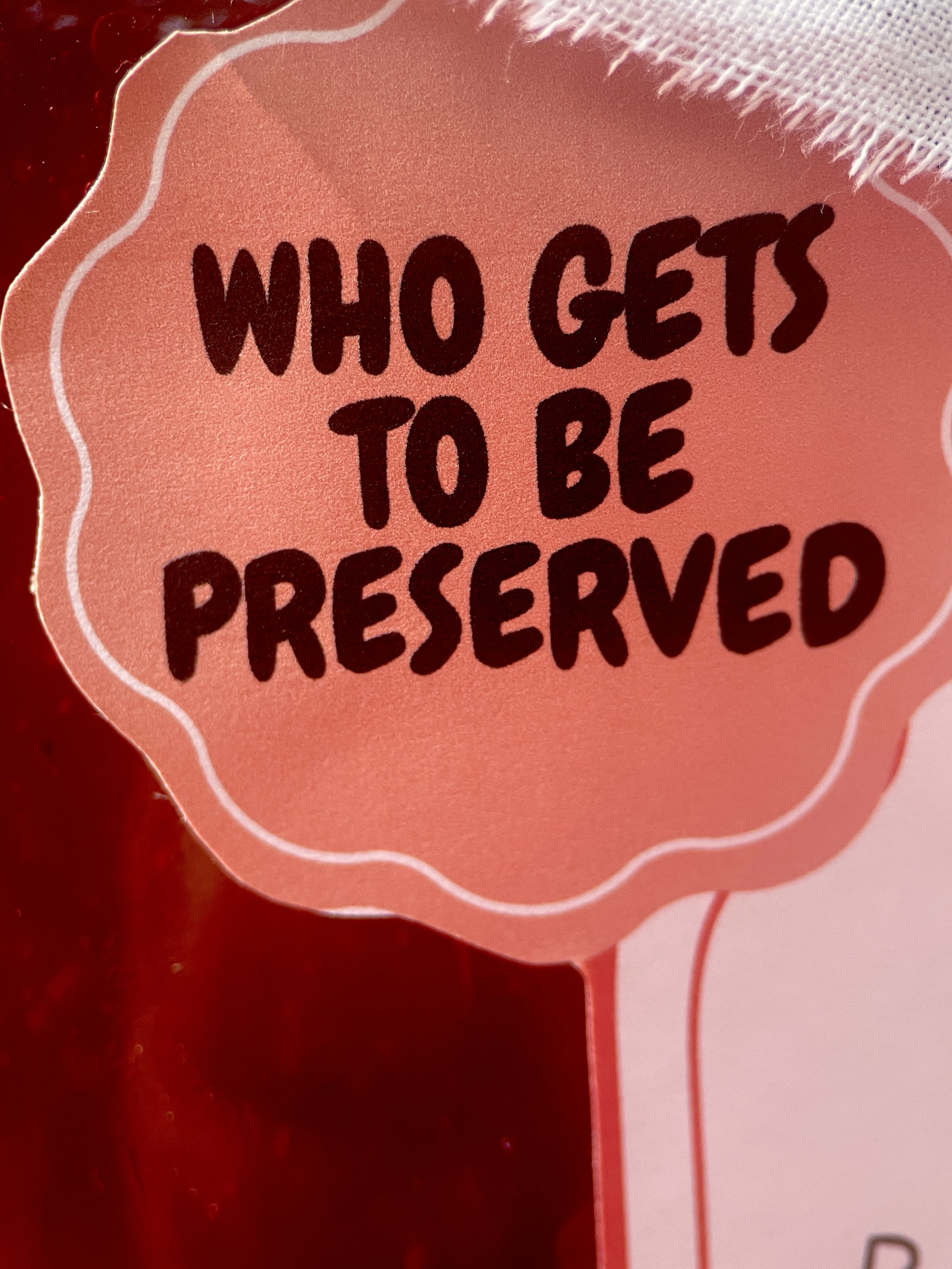
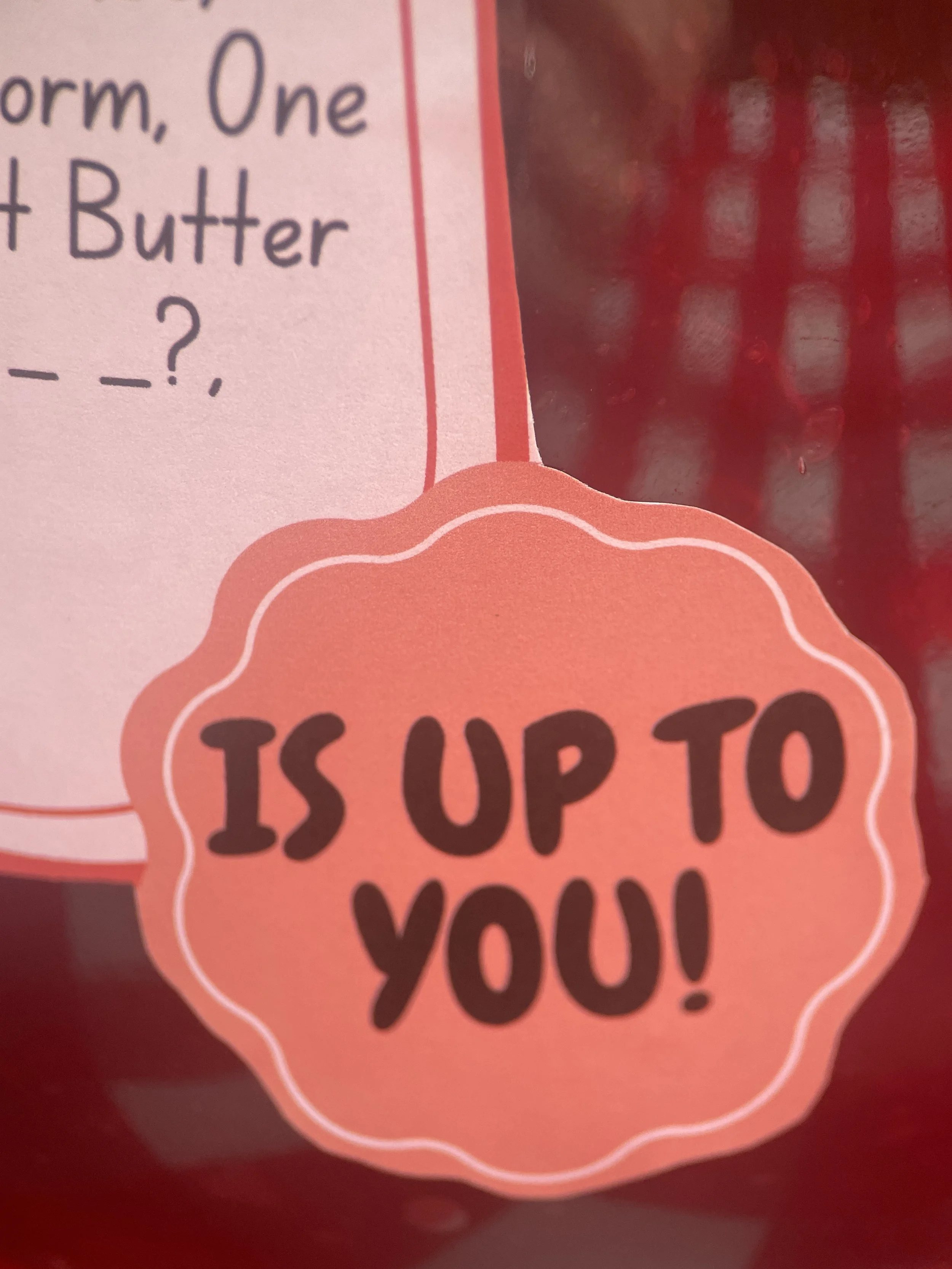

Ingredients list
Made with real dignity, real identity
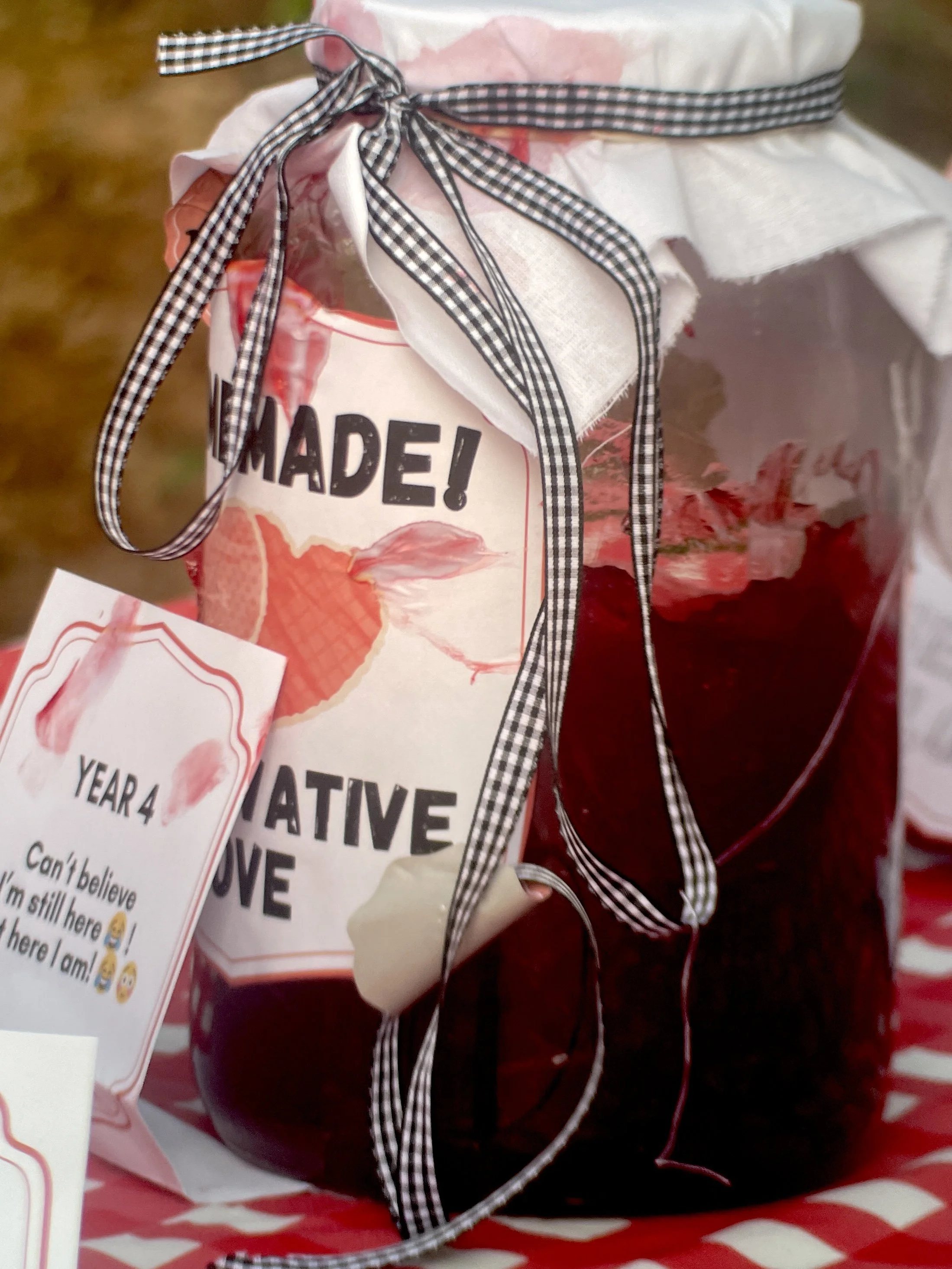
Year 4 Entry
Judge's verdict: Missed the mark
This caregiver had some struggles this year. Some real potential but she misses the mark. She wasn't able to fill the jar, and those refined details that really preserve identity just aren't there.



Year 6 Entry
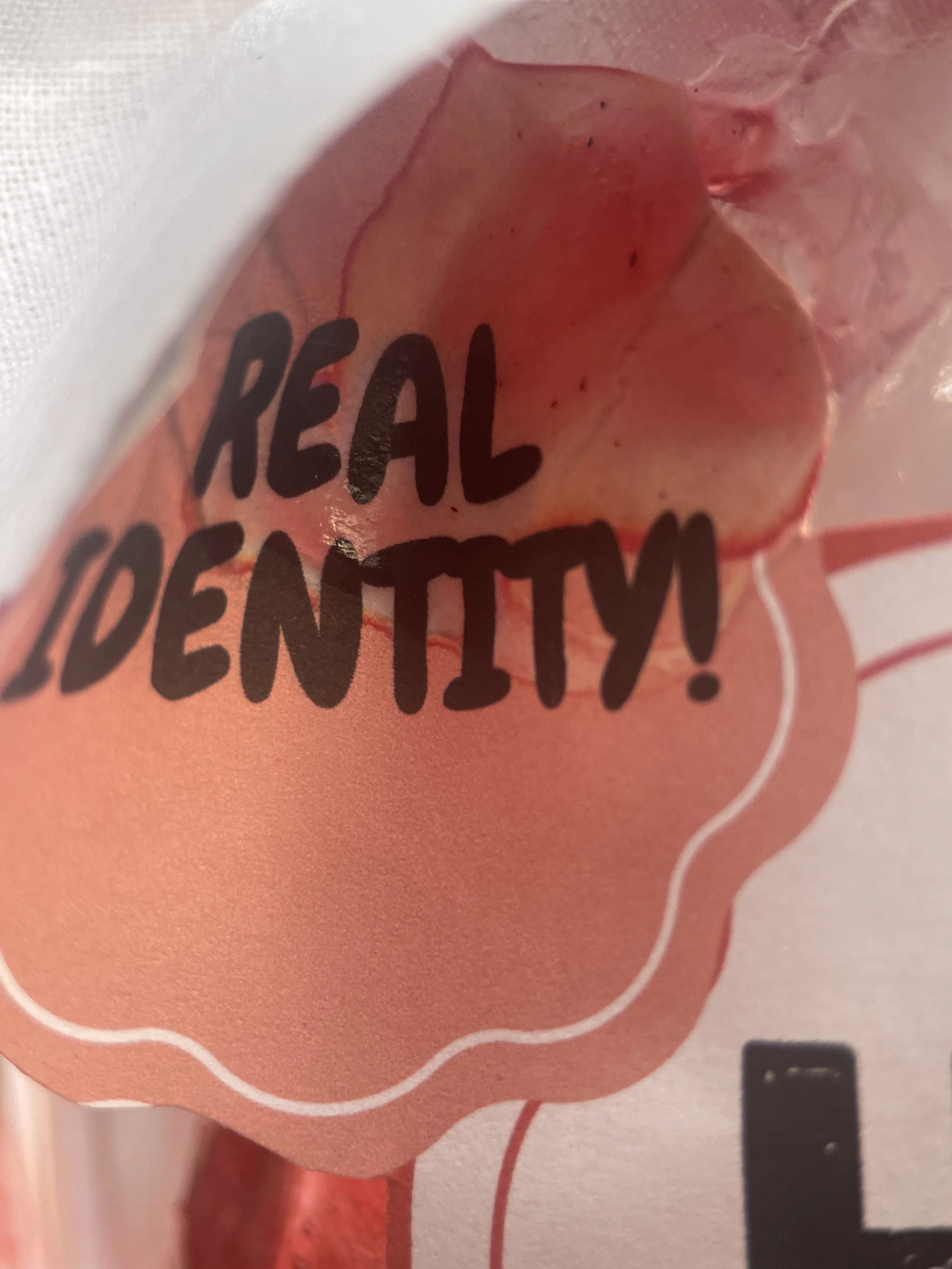
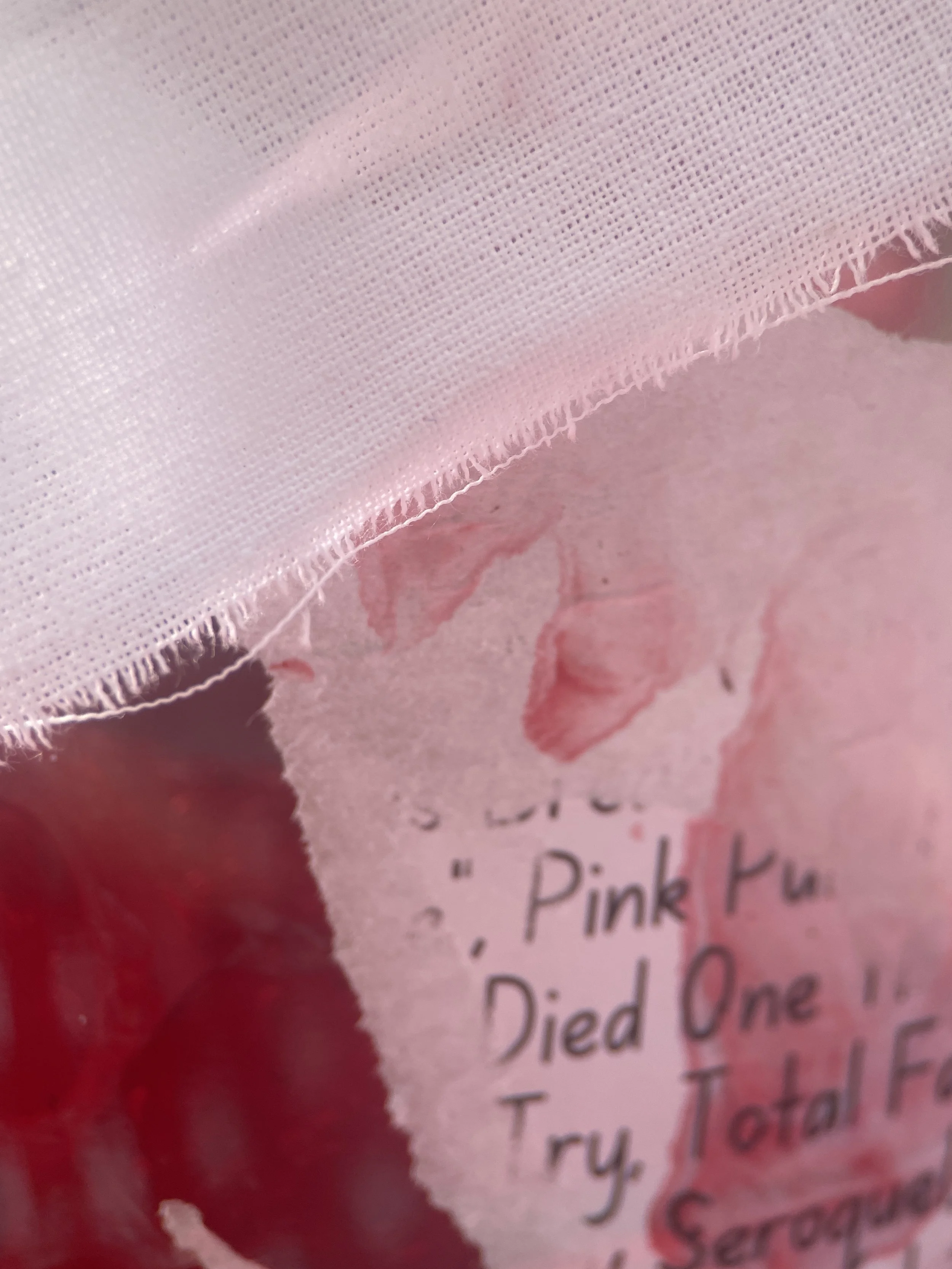
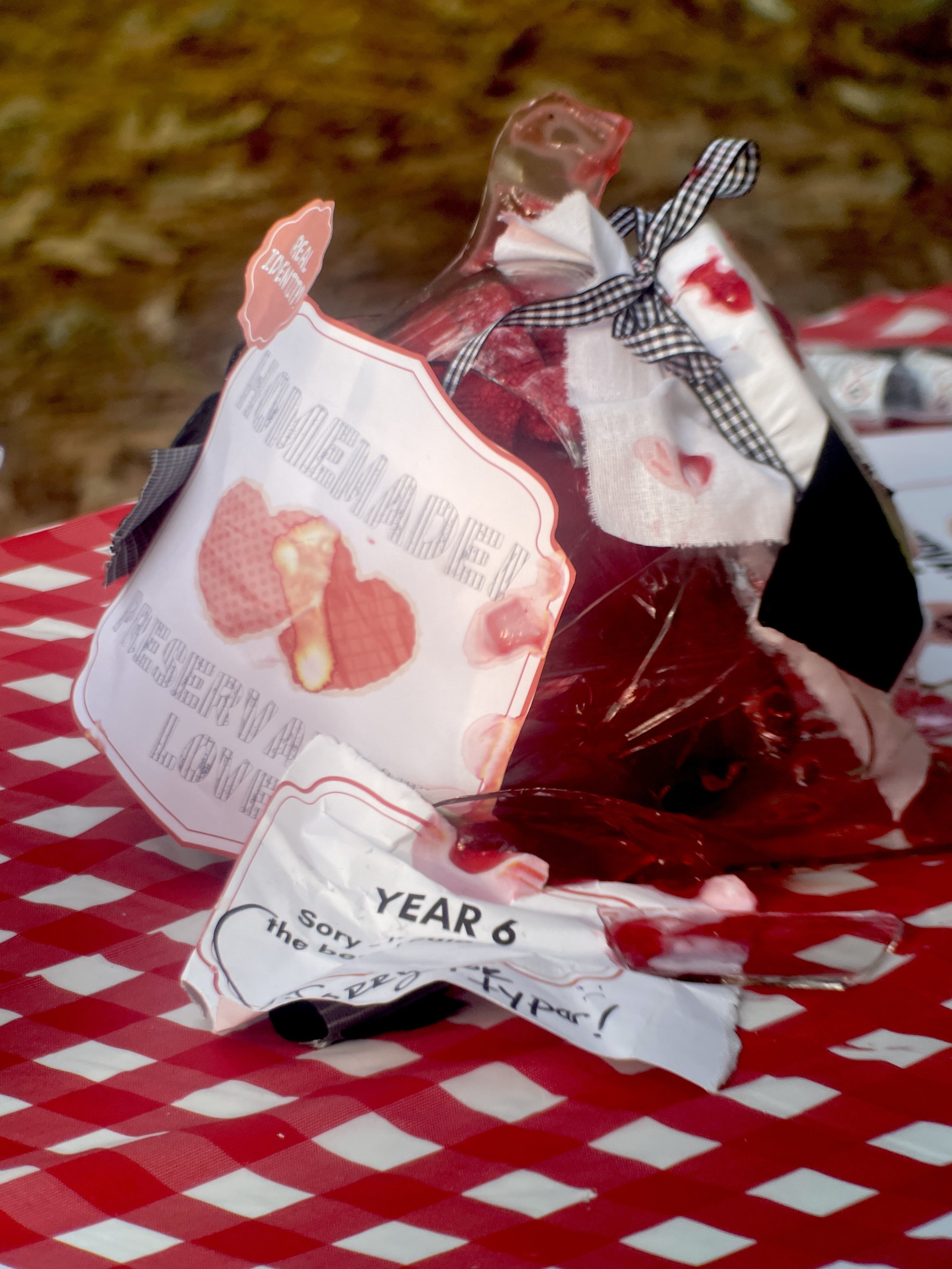
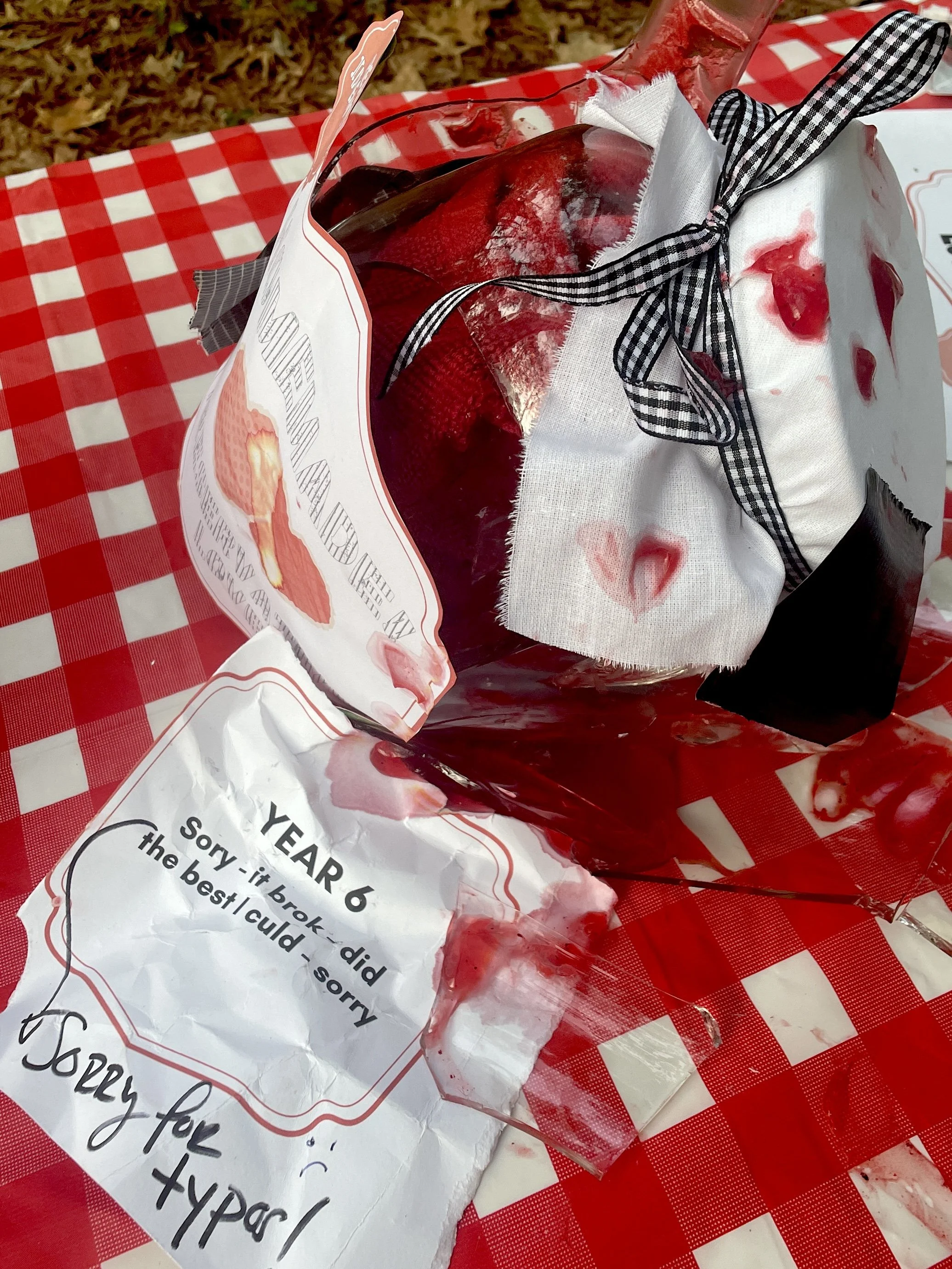
Judge's verdict: Complete mess
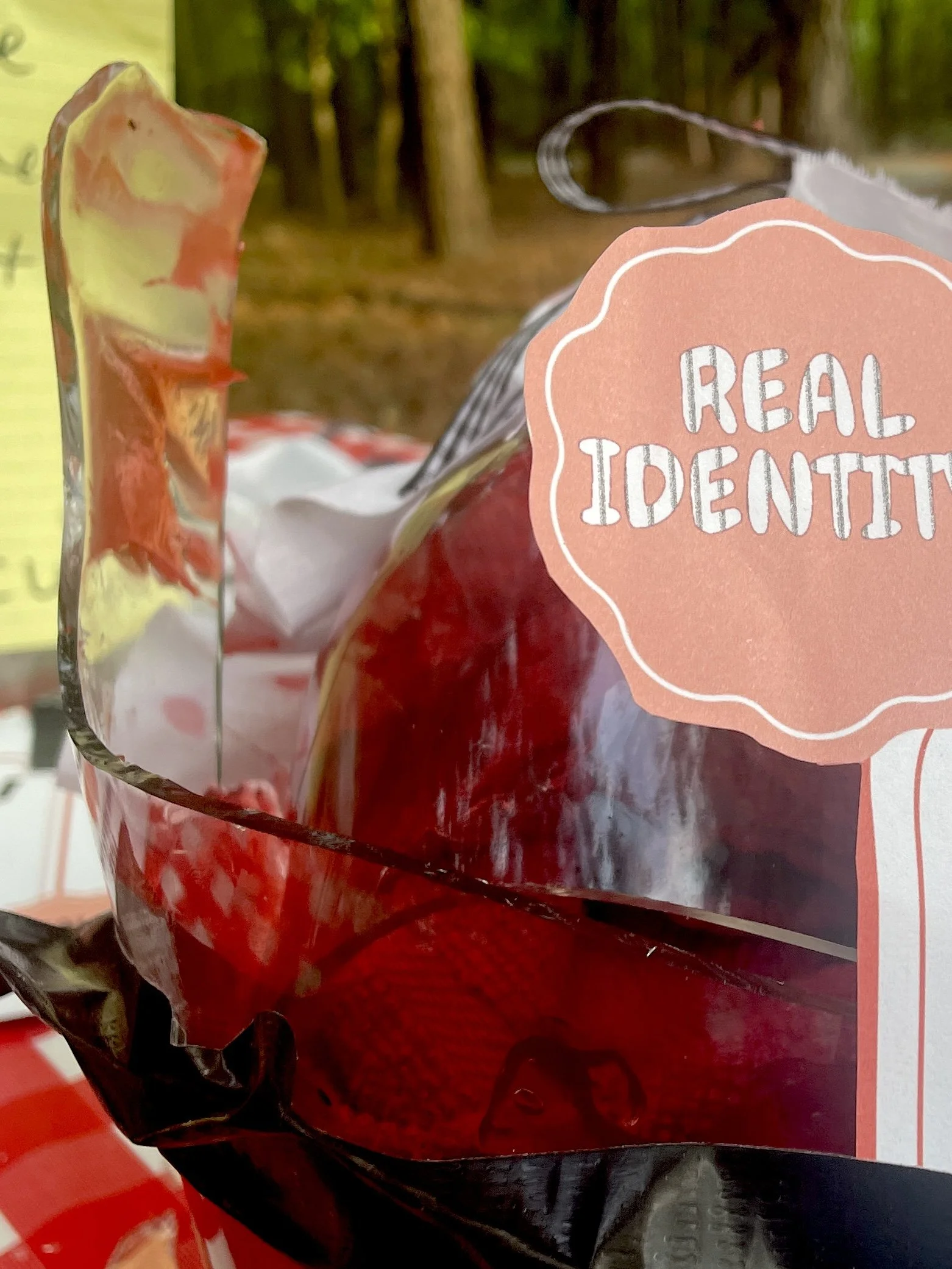
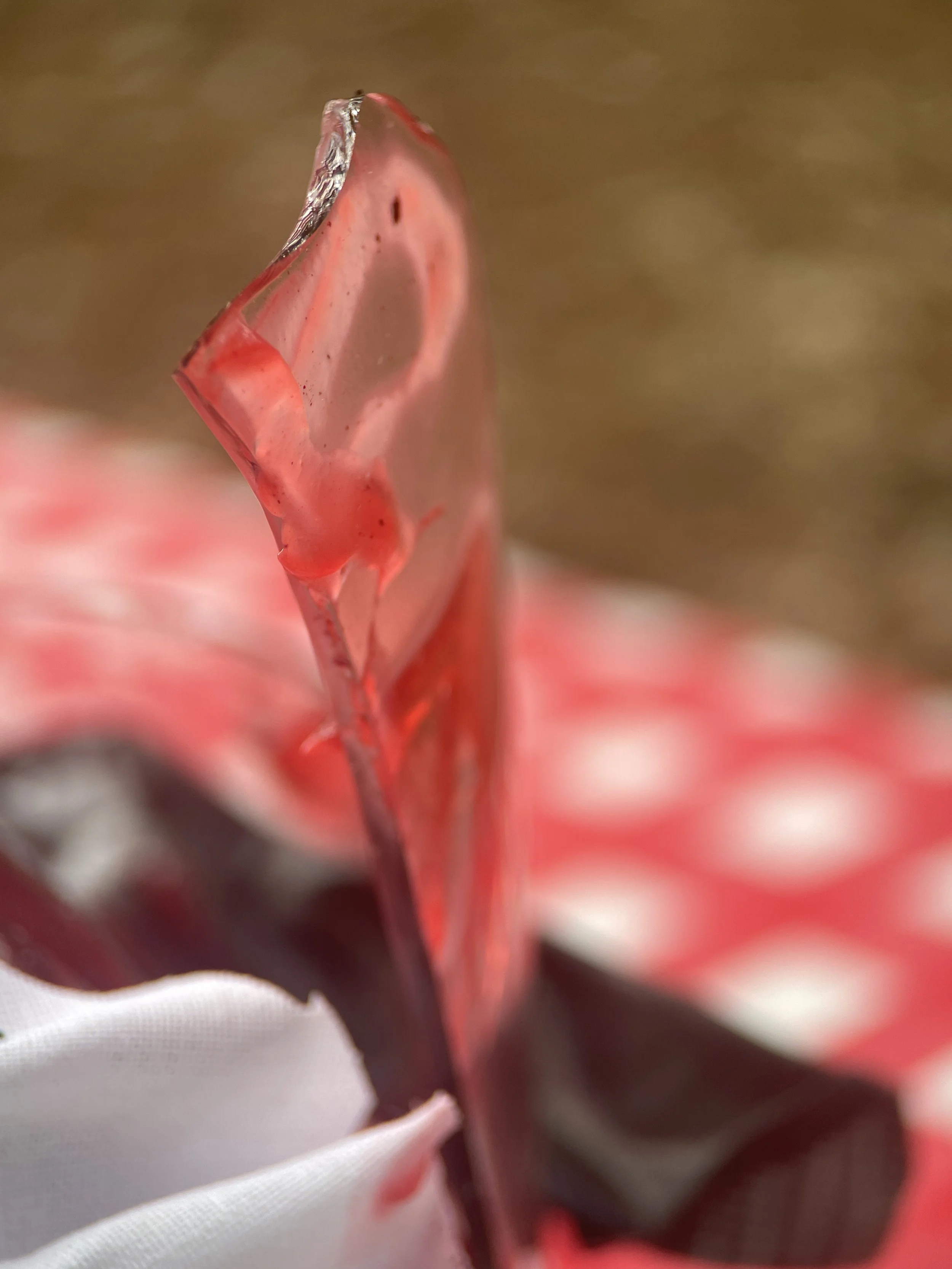
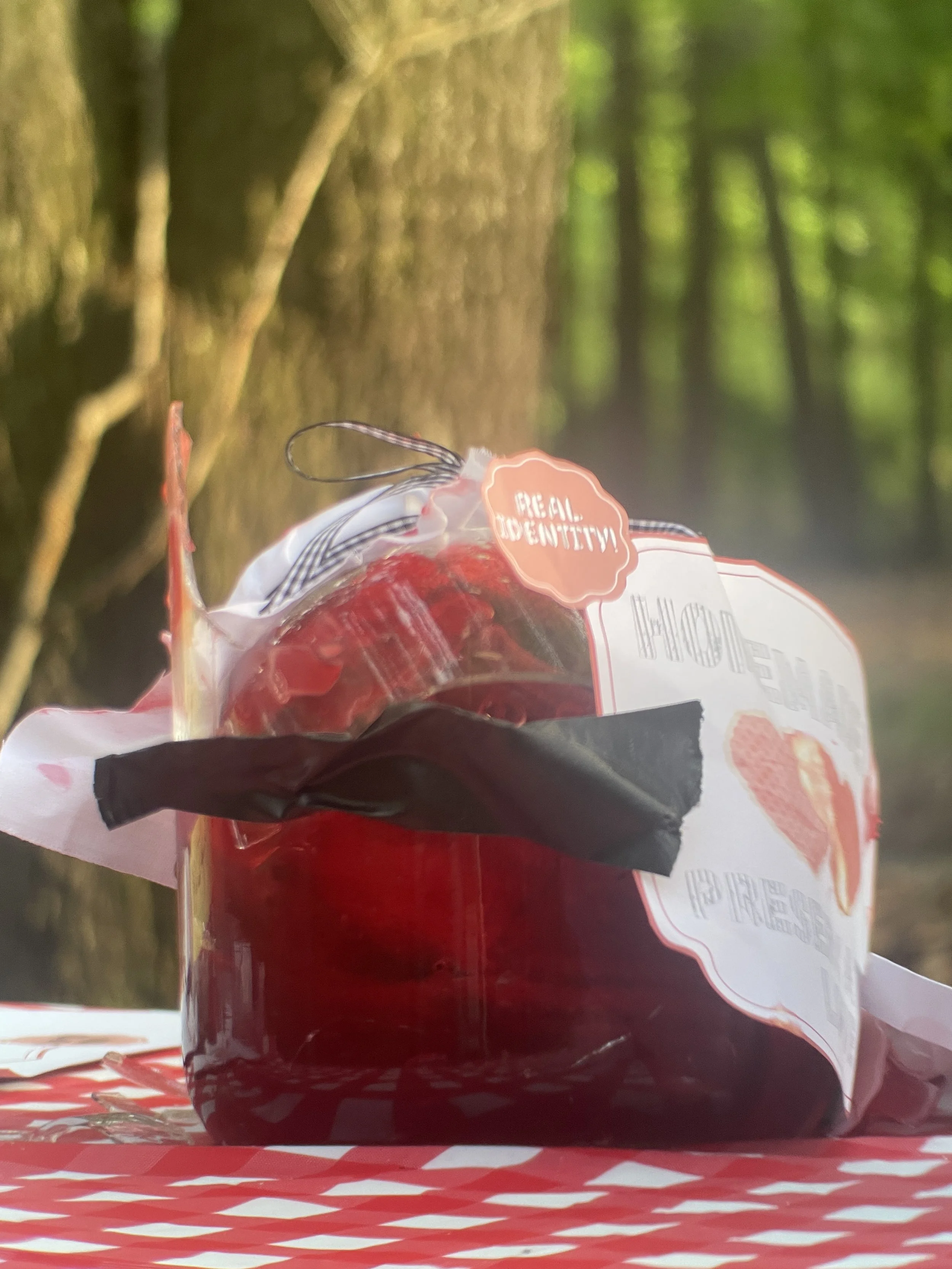
Oof! The jar broke. It doesn't even look like it was put together well to begin with. There are typos on the display card, and it looks like she got mad and crumpled the card up before placing it. Who does that?

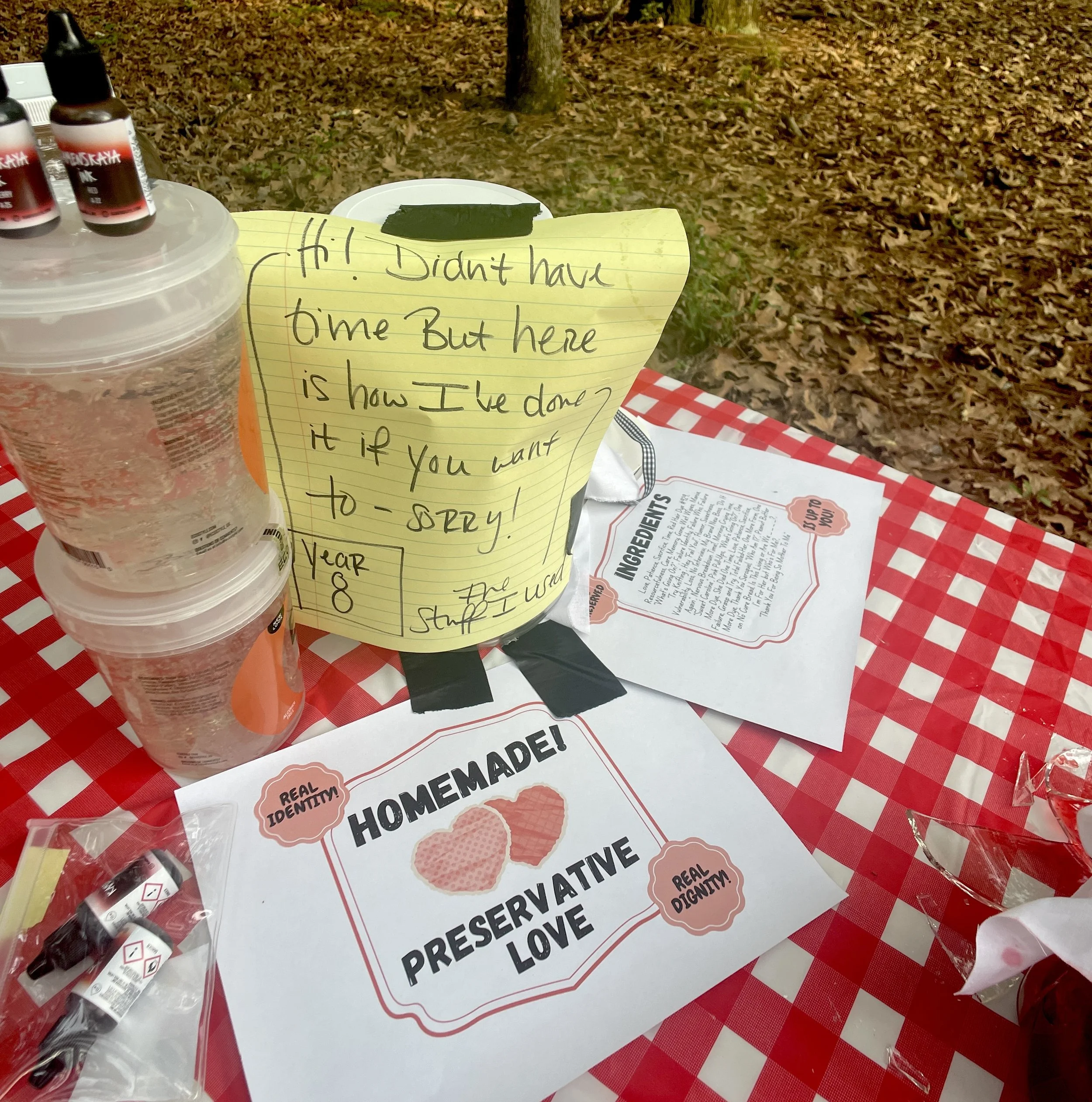
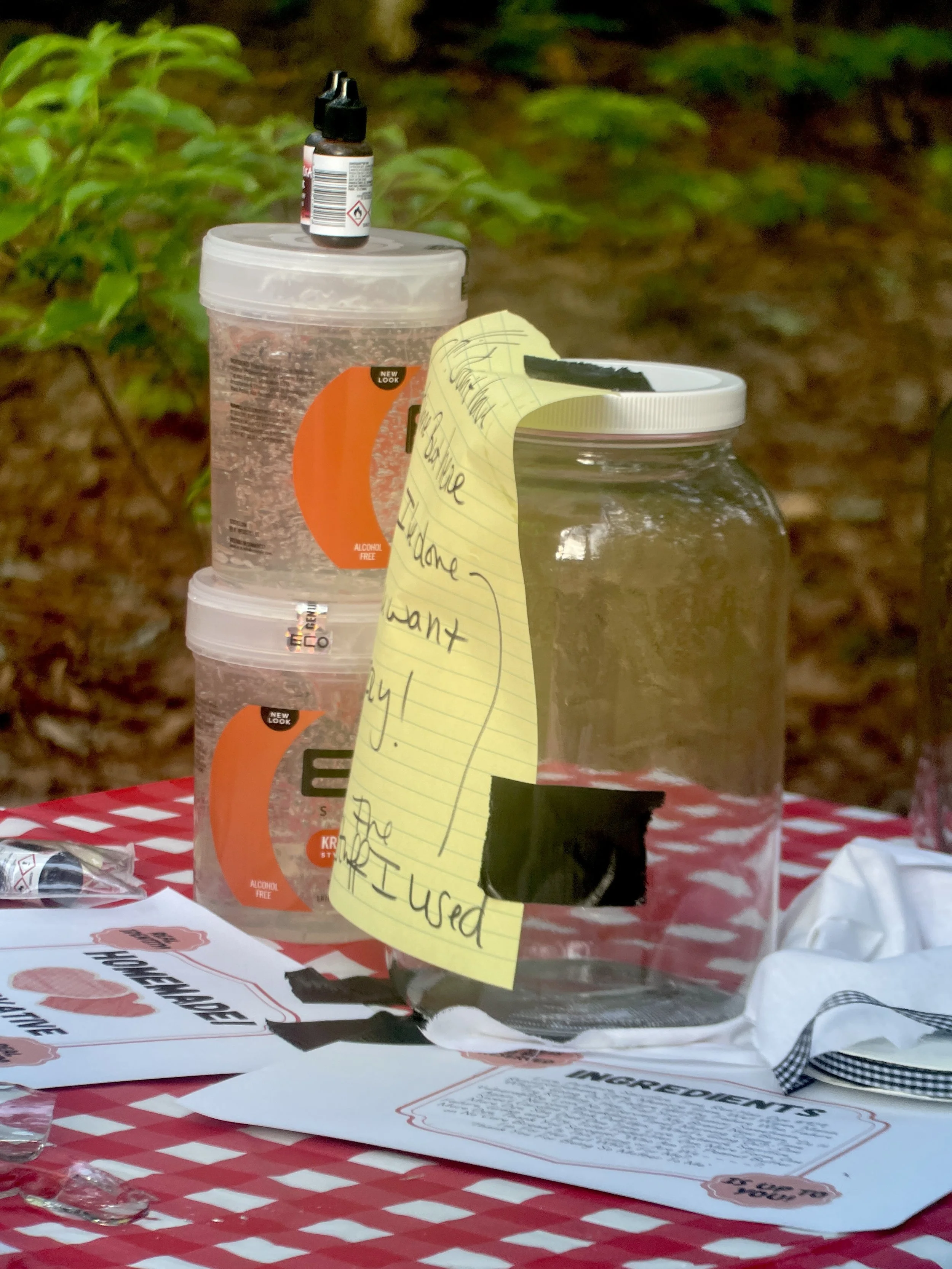
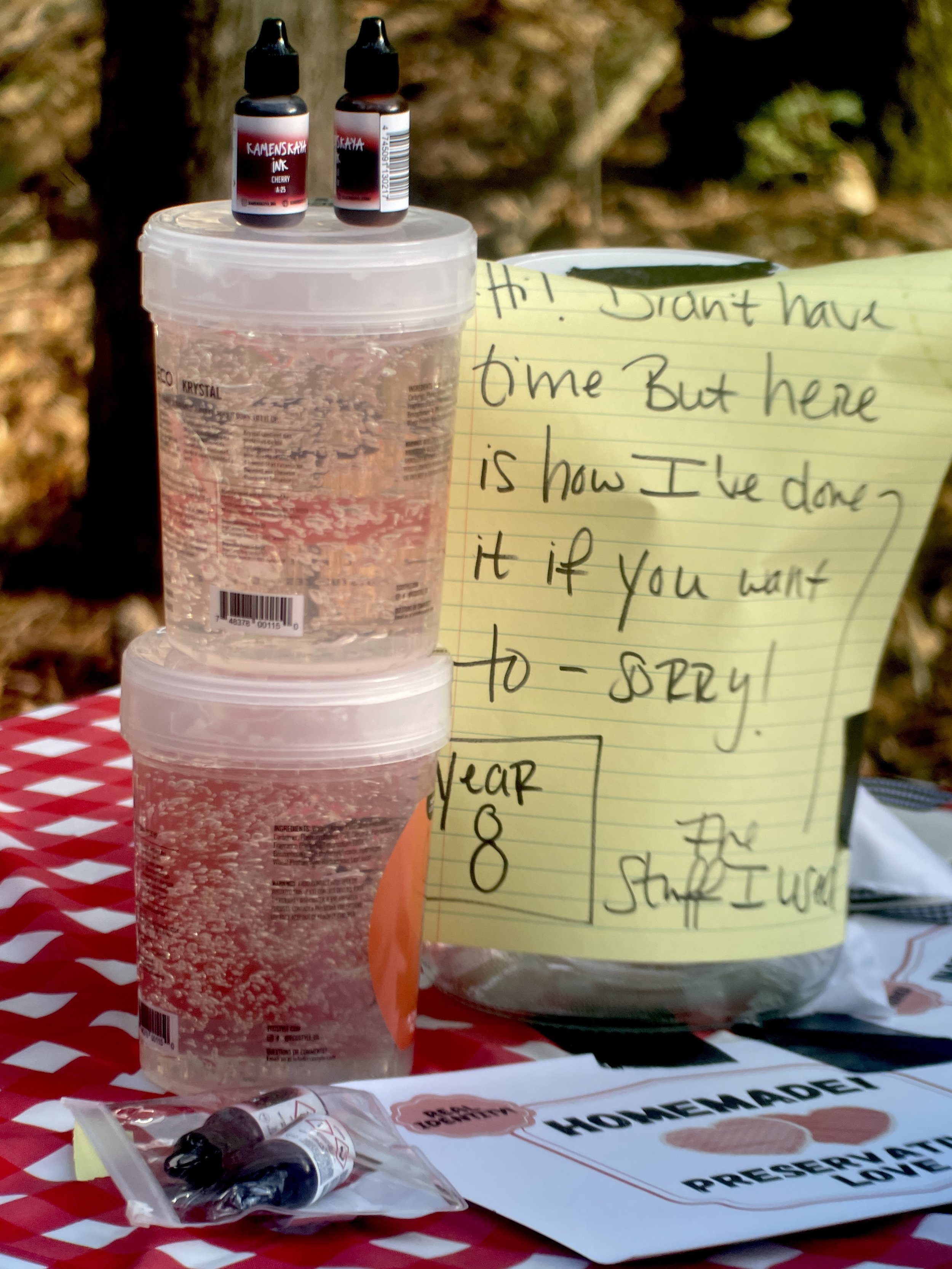
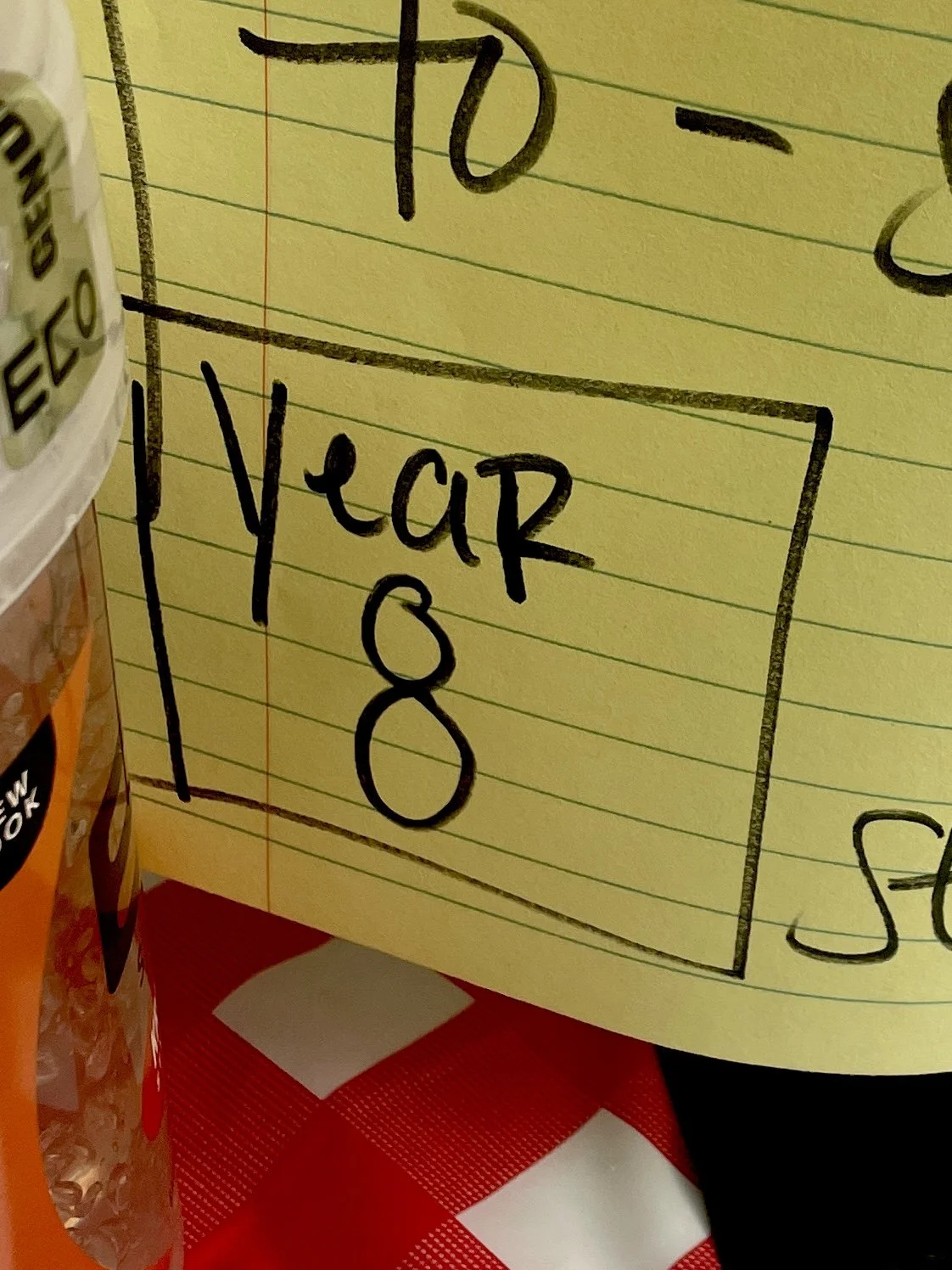
Year 8 Entry
Judge's verdict: Deconstructed
For this entry, the caregiver seems to be providing us with deconstructed preservative love. We at the competition are not into modern interpretations and it is laziness on her part to think someone else should do it for her.

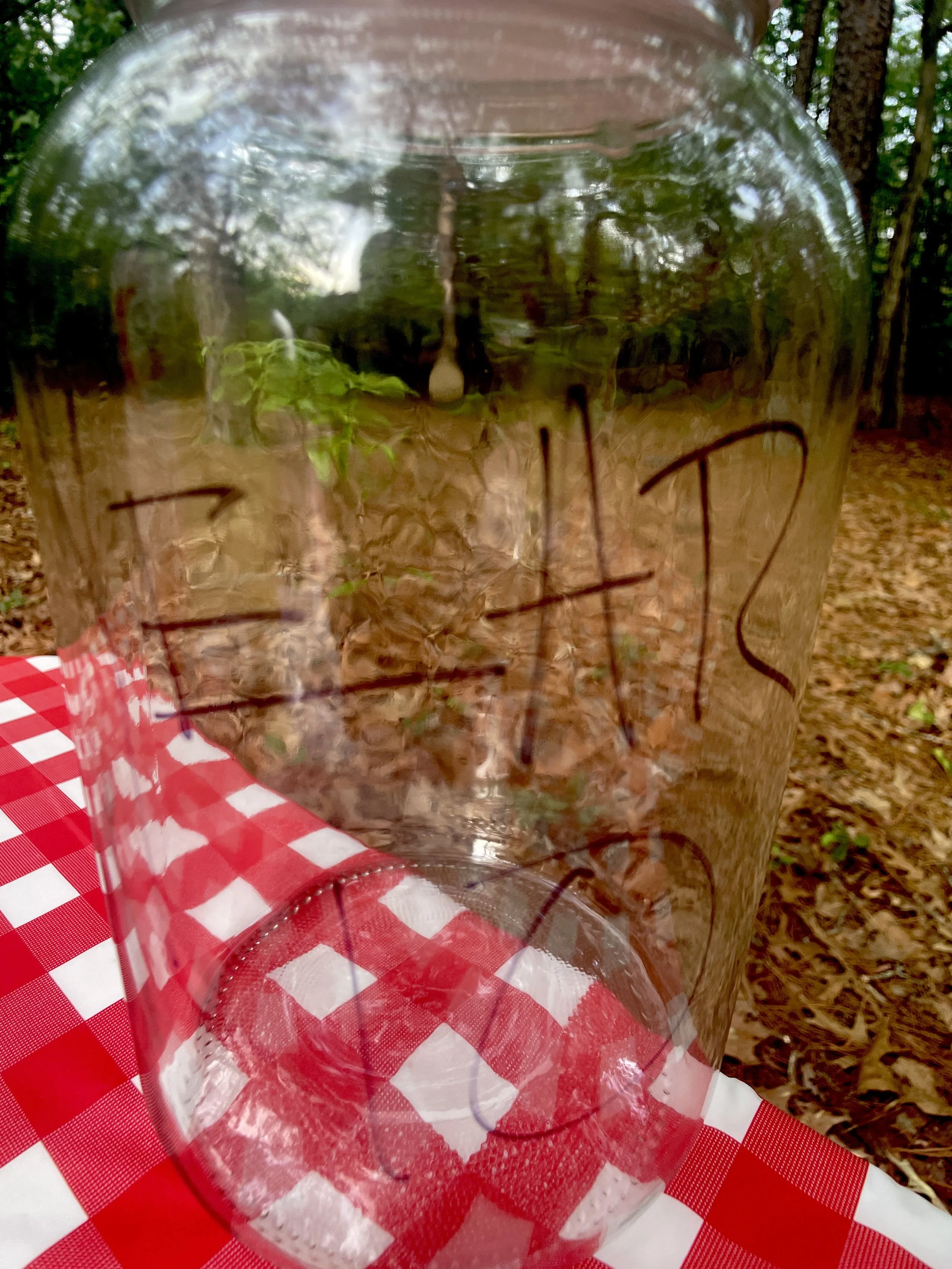
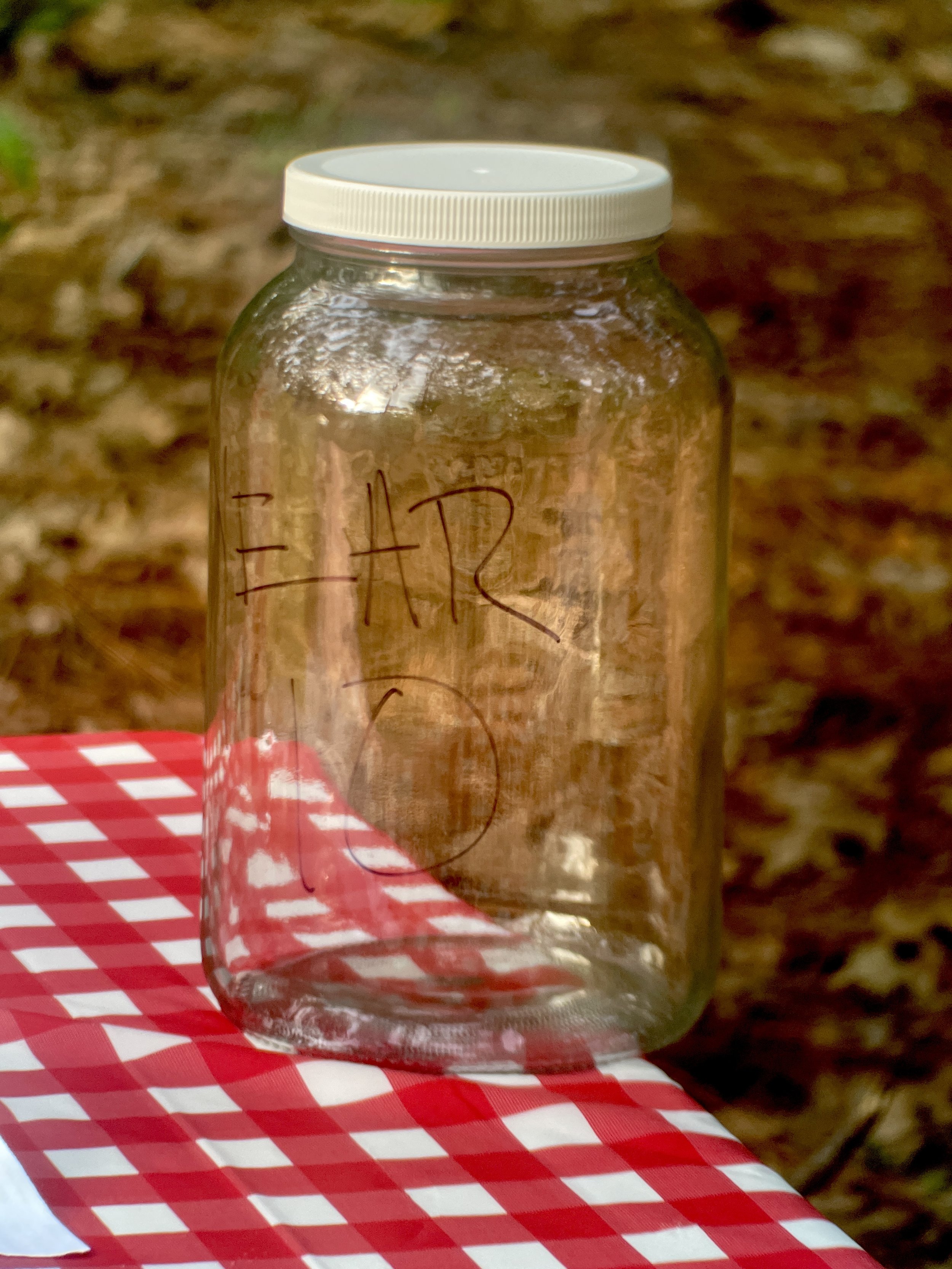
Year 10 Entry
Judge's verdict: Bad daughter
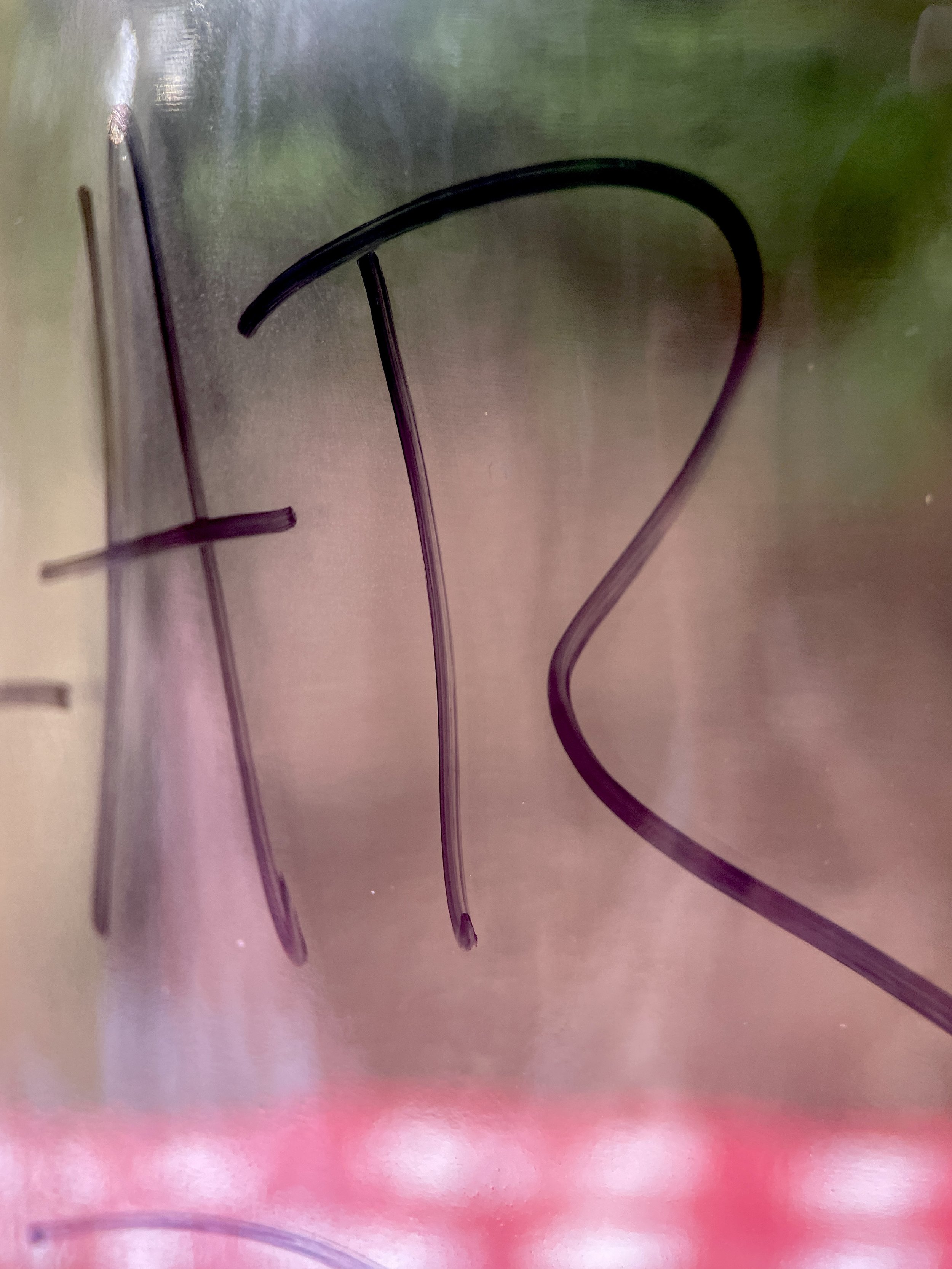
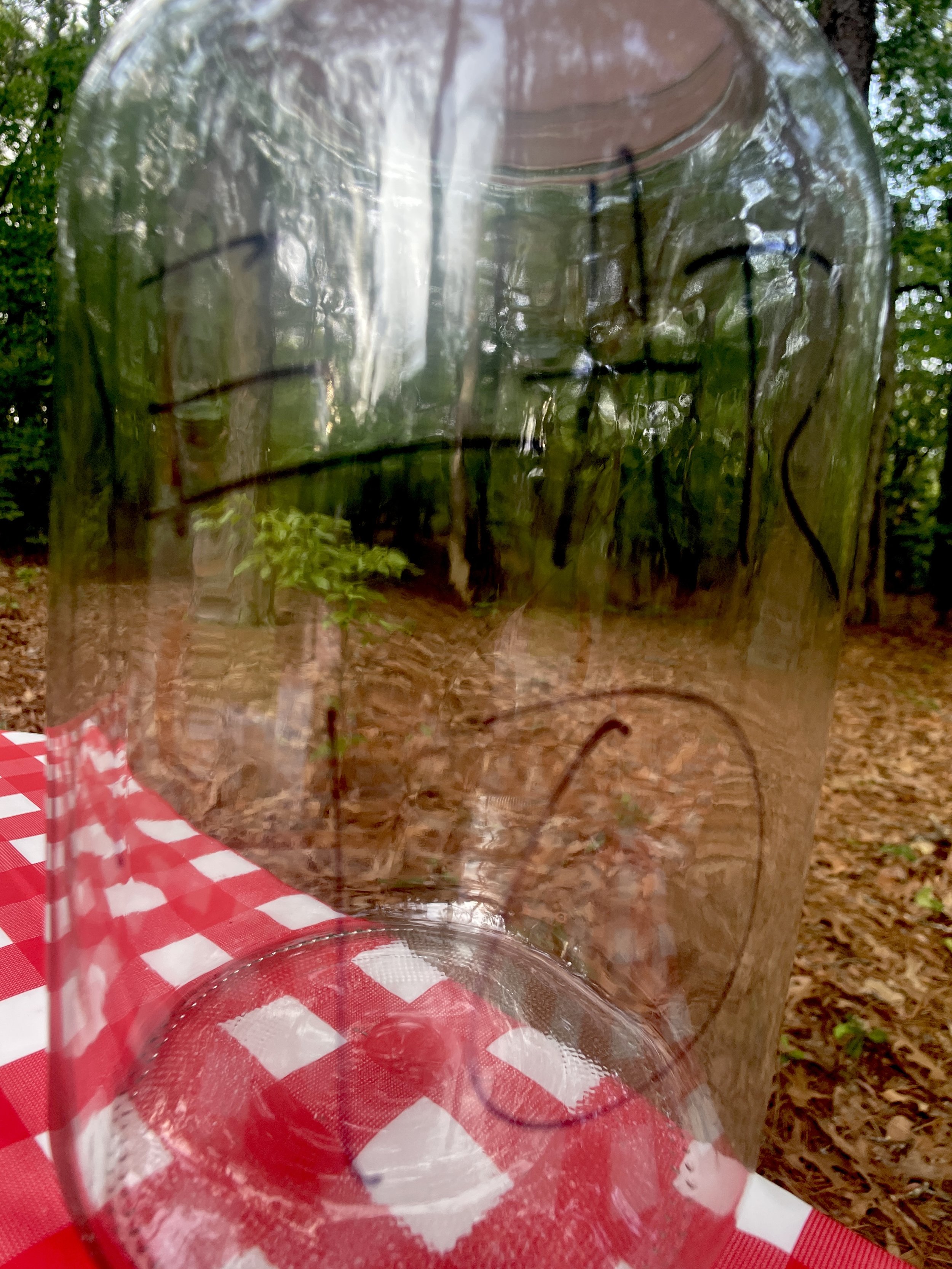
This empty jar, with scribbled writing… not impressed. She barely got the jar on the table this year. It's almost as if she simply didn't have it in her to do anything. If this caregiver can't even muster up the energy to fill a jar of preservative love, what is she even doing with her life?

Final Standing
Entrant #10,692,4759
Current Ranking: #8,725,0053
Essay
Preservative Love and Holding
In Holding and Letting Go: The Social Practice of Personal Identities, bioethicist Hilde Lindemann explores how identities, rather than being solely individual phenomena, are created and maintained through the social practice of "initiating human beings into personhood and then holding them there." Identities are inherently interpersonal and reciprocal.
However, not all holding is equal. "Holding can be done well or badly." Holding someone well creates opportunities for them to thrive, while poor holding can be corrosive, diminishing a person's sense of self, abilities, and capacities. Holding is thus a "real-time, here-and-now morality," a moral practice that offers the chance to bring forth the best or the worst in ourselves and others. We cannot fully be who we are or reach our potential without others seeing us as such. We respond to others in ways that seem appropriate based on who they perceive us to be and who we perceive them to be. In this way, we are held by others and, in turn, hold others in their identities.
Lindemann offers a unique understanding of the kind of holding present in relationships with people who have dementia, what she refers to as holding via "preservative love." Drawing on Sarah Ruddick's concept of preservative love in the mother/child relationship, wherein the mother seeks to preserve the child from physical harm, Lindemann extends this idea to include protection from "moral harm." In doing so, she addresses concerns around the degree of personhood afforded to individuals with late-stage dementia, where autonomy and moral status are often in question, arguing against the reduction of such individuals to "nonpersons."
Lindemann offers four thoughtful questions to consider when thinking of holding: "How does this holding go wrong, and what are some of the moral norms that govern it? What does excellent holding look like? Can groups of people, as well as individuals, be held in their identities? What makes it particularly hard to hold people in their identities?" I will add the question: What does it take to hold someone with dementia in personhood and protect them from moral harm?
For many caregivers, achieving a quality of holding and preservative love that allows for dignity requires significant sacrifice: draining savings, quitting jobs, reducing work hours, or halting career advancement, alongside disconnection from partners, children, and social circles. With this, I see three intertwined issues that impact the identity of unpaid family dementia caregivers and the holding they are able to provide.
First, in the relationship between these caregivers and their loved ones, the holding of personhood is "one-sided." As the identity of the person with dementia disappears, the unpaid family caregiver holds and provides preservative love for this person, and in doing so, the dementia patient is protected from losing their personhood status. However, the person with dementia cannot appropriately hold the identity of the caregiver in return.
Second, the data shows that isolation is an all too common experience of unpaid family dementia caregiving. Many caregivers are left to do this care on their own, often spending day after day providing care within this one-sided relationship. With this, their ability to experience themselves as anything other than caregiver diminishes, when they are so much more than that, if and when given the appropriate holding. Additionally, dementia is a durational illness, during which time caregivers exist in what I am calling an identity void for years, even decades.
With the one-sidedness of the holding between caregiver and their loved one and the durational isolation inherent in this care, I argue that caregivers, within the social and moral practice of holding identities, experience being held poorly, negatively impacting the quality of care, holding, and preservative love they are able to provide. When caregivers experience being held well, not only are they able to experience themselves beyond their caregiver identity, their ability to hold well and provide preservative love for their loved one expands and increases.
If the unpaid family dementia caregiver is holding the identity of their loved one via preservative love, how can we hold the identity of the caregiver so that they may continue to provide the preservative love required to hold someone with dementia in personhood?
Do these caregivers need a special kind of preservative love as well that helps them maintain their identities with each passing year? As a social and moral practice, what could it take to hold unpaid family dementia caregivers well?